Chapter 2
Baseball Hall of Famers
Here are the Baseball Hall of Fame inductees who either played for Shreveport or have ties to North Louisiana:
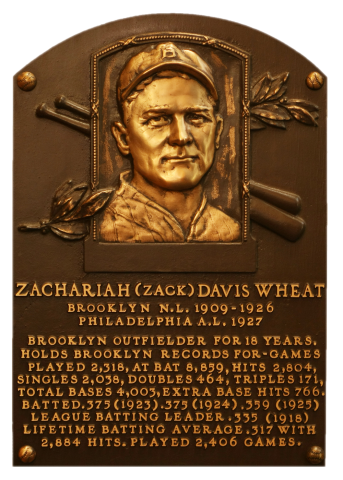 ZACH WHEAT -- An outfielder in 1908 with the Shreveport Pirates at age 20 -- Zachariah "Buck" Wheat -- his .268 batting average in 92 games did not foreshadow his future (a .317 MLB average). The next year he was in the National League with the Brooklyn Superbas (forerunners of the Dodgers), the first of his 19 major-league seasons (all but the last one with Brooklyn). He wound up with many club records, significantly 2,884 hits (including 132 home runs in a deadball era). When he was in his mid-30s, he had season batting averages of .375 in 1923 and '24 and .359 in '25. It took decades for him to be honored: A veterans' committee chose him for the Hall of Fame in 1959. Died March 11, 1972, in Sedalia, Missouri, at age 83.
 BILL TERRY -- He would become a longtime hitting star -- the last National Leaguer to hit better than .400 in a season (.401 in 1930) -- first baseman and World Series-winning manager for the New York Giants. In 1916 and 1917, at ages 17-18, "Memphis Bill" was a left-handed pitcher for the Shreveport Gassers. A second-year pro, he pitched in 11 games in 1916, with a 6-2 record, sterling 1.07 ERA over 84 innings, then spent the full season in '17 -- 14-11 record, 3.00 ERA, 246 innings in 40 games. His bat carried him to the majors by 1923, and he was a career .341 hitter. As manager, the Giants won the World Series his first year (1933) and also won National League titles in 1936 and 1937, losing to the Yankees in the Series both years. He managed them for nine years -- the first four as player/manager -- and was chosen for the Hall of Fame in 1954. His uniform No. 3 was retired by the Giants. Died Jan. 3, 1984, in Jacksonville, Florida, at age 90.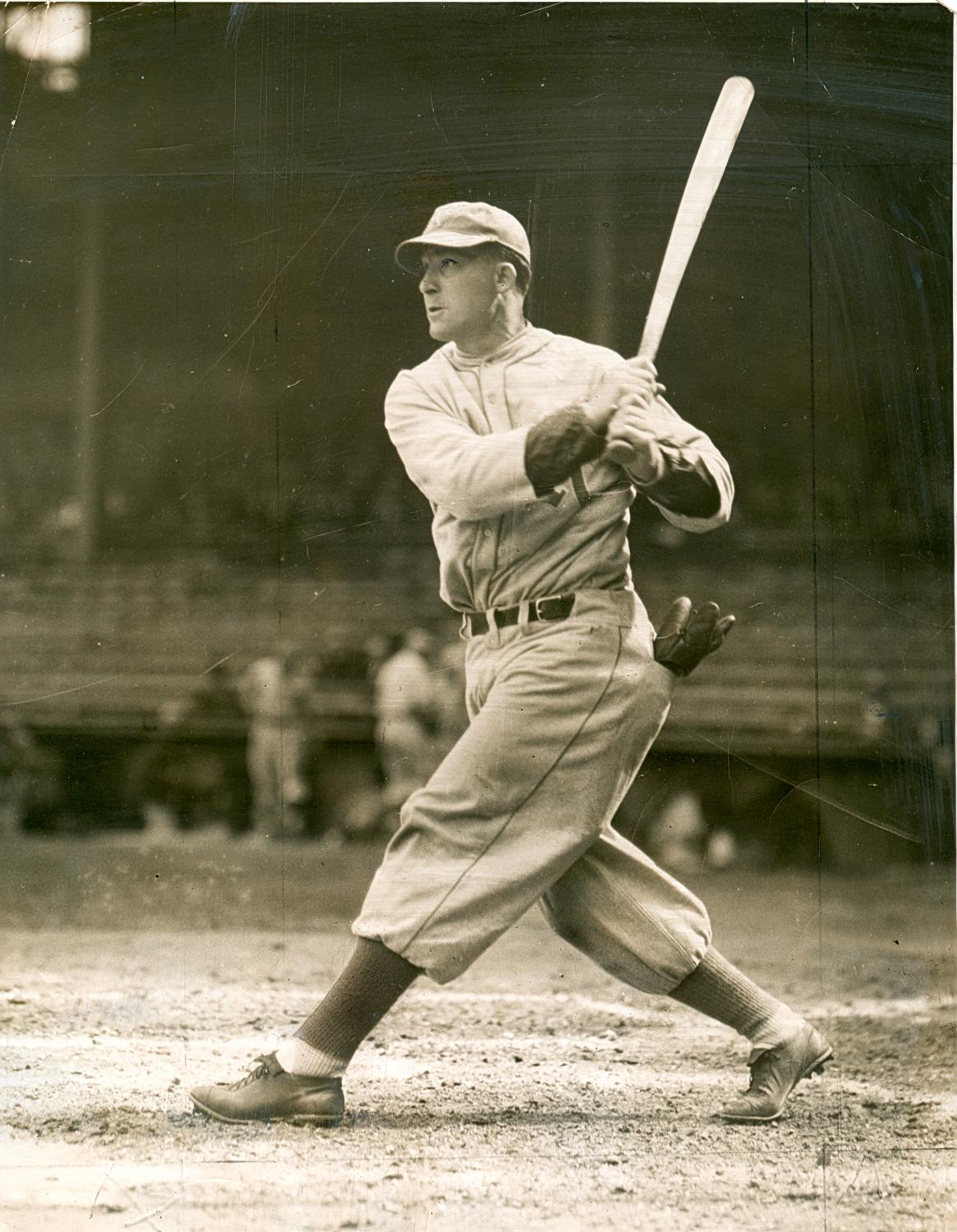
 AL SIMMONS -- In 1923, the year before he became a two-decade major-league outfielder and major star, Aloisius Szymanski (nicknamed "Bucketfoot Al" for his batting stance) hit .360 in 144 games for the Shreveport Gassers. He moved on to the Philadelphia Athletics and was a .344 career hitter with 307 home runs, a leader on the 1929-31 American League champions and 1929-30 World Series champs. He hit .381 and .390 in 1930 and '31. He had three stints with the Athletics, and also played for six other major-league clubs, then was a coach in the majors. He was selected for the Hall of Fame in 1953. Died (heart attack) May 26, 1956, in Milwaukee at age 56.
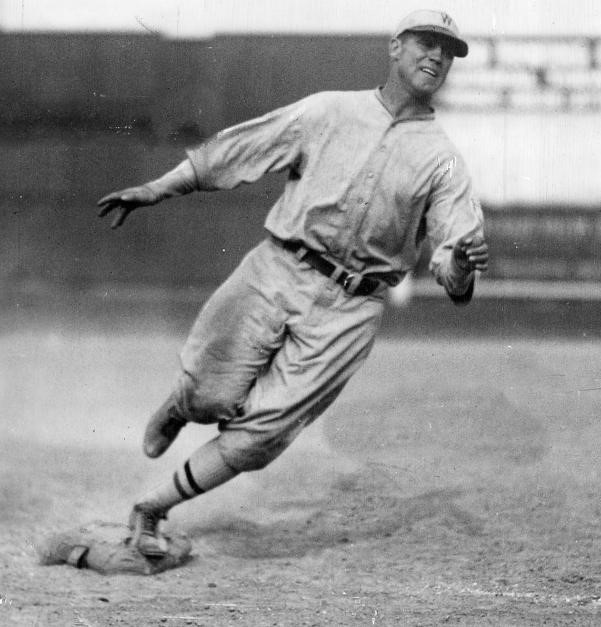 GEORGE SISLER -- At age 39, he was the player-manager of the 1932 Shreveport Sports, whose season was interrupted by a stadium fire, forcing the team to move to Tyler, Texas, in midseason. Sisler, a first baseman, batted .287 in 70 games. Starting with a brief time as a pitcher in 1915, he was a major leaguer for 15 seasons -- almost all with the St. Louis Browns, whom he also managed for three years (1924-26). His 1922 season was one of the game's greatest ever -- a .420 batting average, 246 hits (an MLB record which stood for 82 years), 51 stolen bases, 18 triples. A .340 lifetime hitter, he was elected to the Baseball Hall of Fame in 1939 and had a long career as a baseball scout and front-office assistant. Died March 26, 1973, in Richmond Heights, Missouri, at age 80.
 WILLARD BROWN -- His nickname was "Home Run Brown," a Baseball Hall of Fame selection in 2006 by a special committee that considered African-American players/contributors before MLB integration began in 1947. Born in Shreveport, raised in Natchitoches, he was an outfielder with great speed and starting in 1936 was one of the top sluggers of the Negro baseball leagues for more than a decade with the Kansas City Monarchs and also in the Puerto Rican winter leagues. His one shot at Major League Baseball, with the 1947 St. Louis Browns, was an unhappy time and didn't take; he batted only .179 in 21 games and was released. But he did hit the first home run by a black player in the American League, an inside-the-parker off future Hall of Famer Hal Newhouser. Returning to the Negro leagues, he batted .374 in 1948 and revived his career. He wound up with four seasons (five teams) in the Texas League from 1953 to '56, still hitting home runs (35 at age 39 in 1954) and still a .300-plus hitter. Died Aug. 4, 1996, in Houston at age 81.
 LEE ARTHUR SMITH -- After a long wait and a “second chance” opportunity, as he called it, the Today’s Game committee voted him into the Hall of Fame in early December 2018 for induction in July 2019. The big (6-6, 265 pounds) hard-throwing right-handed pitcher grew up in Castor, Louisiana, some 40 miles southeast of Shreveport in Bienville Parish. He did not play for Shreveport, but he did pitch at SPAR Stadium in the Texas League (Midland Cubs, 1978-79) and it was during that time that he became a relief pitcher, having been tried as a starter at the start of his pro career. He was baseball's all-time saves leader (with 478) and games finished (802) when his 18-year, eight-team career ended in 1997. Drafted in the second round by the Chicago Cubs after his senior year in high school (1975), he made his major-league debut for the Cubs in 1980, stuck for good in 1981, and after five starts in 1982, was a fulltime reliever. He led his league in saves four seasons -- 1983 with the Cubs, 1991 (a National League-record 47) and '92 for St. Louis and 1994 with Baltimore (American League). He pitched in two postseasons (a save and a loss in '84 with the Cubs) and '88 with Boston. His MLB totals: 1,022 games, 71-92 record, 3.03 ERA. He then became a minor-league pitching instructor, including several years with the San Francisco Giants' farm teams in Shreveport.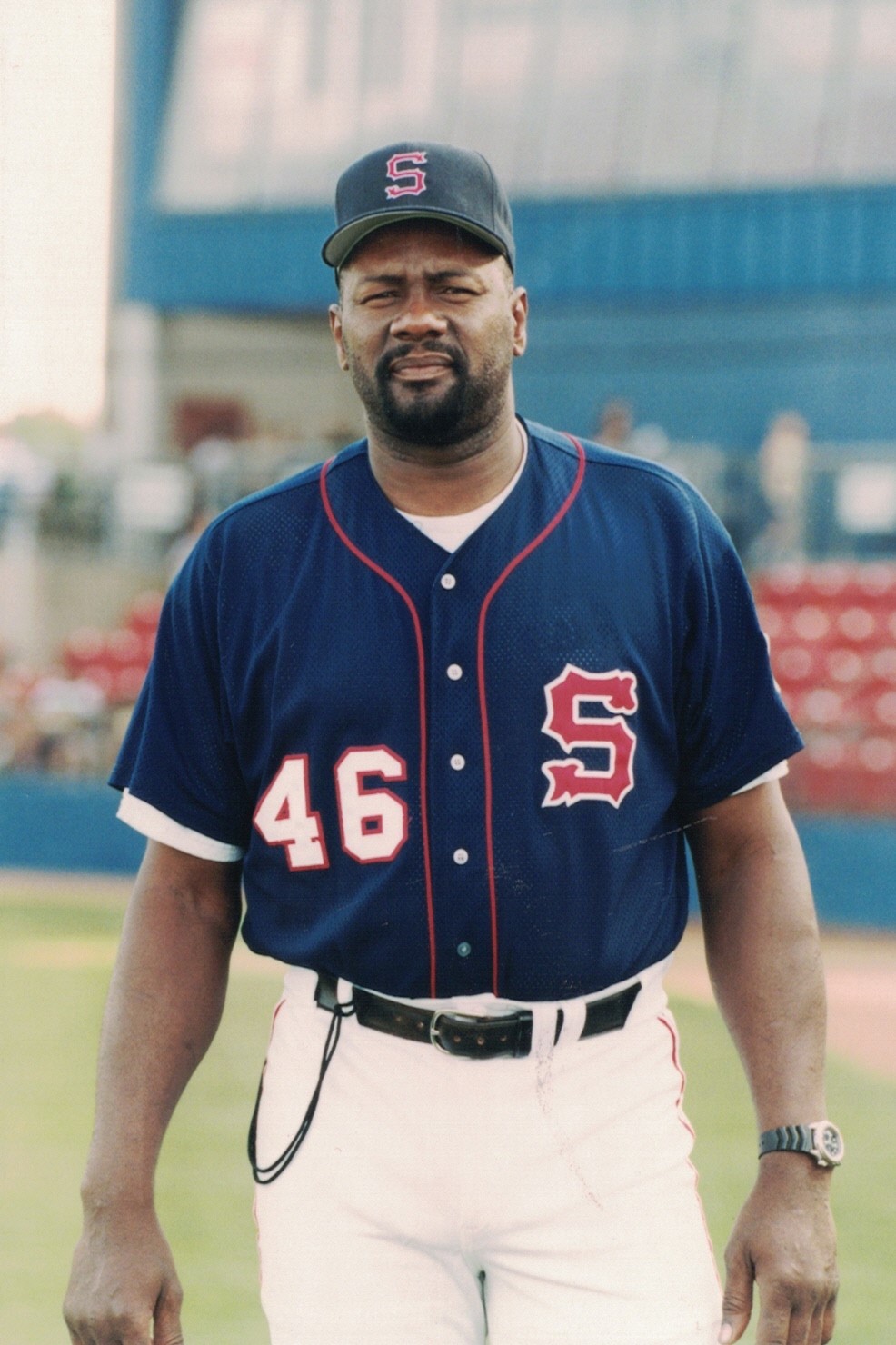

Lee Smith, left, on one of his many visits to Fair Grounds Field in the 1990s, and as a San Francisco Giants' roving minor-league pitching coach, right. (photos from Texas League office files)

On his way to the majors, with the Midland Cubs in the Texas League, 1978-79 (TL office photo)
Note: Hall of Fame plaques and player photos above all from Baseball Hall of Fame web site.


